Keyword research used to mean one thing. Find what people type into Google, check the volume, check the difficulty, write a page that targets the phrase. That model still has value it is no longer sufficient. In 2026, a growing share of search happens inside AI answer engines that do not return ranked lists of pages. They return synthesized answers, and they cite the sources they trust most.
Gartner predicts a 25% decline in conventional search queries by the end of 2026. That traffic is migrating to ChatGPT (around 800 million weekly users as of late 2025), Perplexity, Gemini, Google AI Overviews (over two billion monthly users), Claude, Grok, and a growing set of specialist AI agents. If your keyword strategy only accounts for traditional search, you are optimizing for a shrinking audience while ignoring the channel that is growing fastest.
This guide consolidates everything a business needs to run keyword research for the dual-channel reality of 2026 from classifying intent, to choosing which terms to pursue, to winning the ones your competitors already own, to structuring content so Google ranks it and AI engines cite it.
Key Takeaways
- Conventional search volume is declining ~25% by end of 2026 (Gartner). Keyword strategy must now cover two channels: Google ranking and AI citation.
- Intent alignment is the top ranking filter. Pages that match the intent Google has assigned to a query consistently outrank and out-cite topically relevant pages with the wrong format.
- The four intent types informational, navigational, commercial investigation, transactional each demand a different content format. Wrong format kills rankings regardless of authority.
- Commercial investigation keywords ("best X for Y") sit at the highest-value intersection: they rank in Google, trigger AI Overviews (which appeared on roughly 16% of searches by late 2025 per Semrush, with the majority triggered by long-tail queries), and consistently generate AI citations.
- High-citation-potential queries require specific data, product comparisons, or recent developments. Simple factual queries almost never cite external sources.
- Princeton-led GEO research shows optimized content earns up to 40% higher visibility in generative engine responses driven by source citation, quotation inclusion, and statistical enrichment.
- Competitor keyword analysis reveals validated demand. Topical clusters not isolated pages build the compounding authority that both Google and AI engines reward.
Why Traditional Keyword Research Falls Short
Traditional keyword research operates on an assumption that no longer holds: people search using explicit keywords, and search engines return ranked results. Large language models introduced a second mode of discovery conversational reasoning rather than keyword retrieval.
When someone asks ChatGPT "what's the best project management tool for a remote team of 20 people," there is no single keyword to target. The AI model synthesizes information from dozens of sources, evaluates authority signals, and generates a response that cites the brands it considers most relevant. The difference between AI search and traditional search is not incremental it is structural.
The consequence for keyword research is that the output changes. Instead of "what terms have high volume and low difficulty," the question becomes: "what questions are people asking AI engines about my industry, and what does a citable answer look like?" Volume and difficulty are now two dimensions in a three-dimensional problem. The third dimension is citation potential the likelihood that an AI engine will pull in and attribute an external source when answering a query.
Everything that follows in this guide builds on that shift.
The Four Types of Keyword Intent
Before you can research, select, or win any keyword, you need to know what intent it carries. Keyword intent also called search intent or user intent is the underlying goal a person has when they type a query. Google has spent over a decade training its algorithms to understand intent: BERT in 2019, MUM in 2021, and the current generation of AI-powered ranking systems all read the query, interpret the goal, and evaluate whether the page fulfills it.
Every search query carries one of four intent types:
| Intent Type | What the Searcher Wants | Example |
|---|---|---|
| Informational | Learn something | "what is keyword intent" |
| Navigational | Find a specific website or page | "Semrush login" |
| Commercial investigation | Research before buying | "best AI visibility tools 2026" |
| Transactional | Complete a purchase or action | "hire an AI visibility consultant" |
Informational intent educational queries that make up the bulk of all searches. "What is structured data," "how does Google rank pages," "why is my traffic dropping." These demand comprehensive explainers and guides.
Navigational intent the searcher wants a specific destination. "Semrush login," "Ahrefs pricing page." These queries have a clear target and rarely present ranking opportunities for other brands.
Commercial investigation intent the consideration stage. The searcher knows they have a problem, believes a product or service can solve it, and is actively comparing options. "Best AI visibility tools," "SwingIntel vs competitors," "AI SEO audit reviews." This is where the highest-value content marketing happens.
Transactional intent the searcher is ready to act. "Hire an AI visibility consultant," "AI visibility research pricing." Highest conversion rate, and the content must remove friction, not add context.
Commercial investigation is the sweet spot for dual-channel optimization we will come back to this repeatedly.
Why Intent Alignment Is the Top Ranking Factor
Google's ranking system processes hundreds of signals, but intent alignment acts as a gatekeeper. A page must pass the intent test before any other signals matter.
Google measures satisfaction, not relevance. A page can be topically relevant to a query and still fail to rank because it does not satisfy the searcher's actual goal. If someone searches "best email marketing platforms" and lands on a page explaining what email marketing is, they bounce. Google sees that behavioral signal and demotes the page.
SERP features reveal assigned intent. Google's own search results page tells you what intent it has assigned to a query. Shopping carousels signal transactional. Featured snippets and knowledge panels signal informational. Comparison articles and review sites signal commercial investigation. Studying the SERP before creating content is non-negotiable.
Intent mismatches cause ranking ceilings. Many businesses create technically excellent content that plateaus at positions 8–15. The usual culprit is a subtle intent mismatch the content addresses the topic but not the specific angle the searcher needs. A guide titled "Content Marketing Strategy" that focuses on theory will lose to a guide that provides a step-by-step content marketing strategy framework because the searcher's intent is practical, not conceptual.
The relationship between intent alignment and ranking performance is not theoretical. Pages that match the format Google has assigned to a query consistently outperform topically relevant pages that miss the intent they rank higher, earn more AI citations, and produce stronger engagement signals (lower bounce rates, longer time-on-page) that feed back into Google's ranking system.
Google's helpful content system and the 2025–2026 core updates have made intent alignment a hard requirement rather than a soft signal. Sites that dropped during these updates typically had topically relevant content that was formatically wrong for the intent Google had assigned to those queries.
How AI Engines Evaluate Intent

Traditional search engines present ten results and let the user choose. AI search engines must choose for the user they select one or a few sources to cite inside a generated answer. This raises the bar for intent alignment dramatically.
When an AI engine processes a query, it evaluates:
- Does this source directly answer the specific question? Not a related question. The exact question.
- Is the format appropriate? A list query needs a list. A "how to" query needs steps. A comparison query needs a structured comparison.
- Does the source provide citable claims? AI engines need specific data points, statistics, and clear statements they can extract and attribute. Vague, hedging content gets skipped.
- Is the source authoritative on this specific topic? Topical authority matters more than domain authority in AI citation decisions.
This is why AI search optimization and traditional SEO are converging on the same principle: the content that best matches intent wins. The difference is that in AI search, there is no second page. You are either cited or invisible.
Commercial Intent Deep-Dive
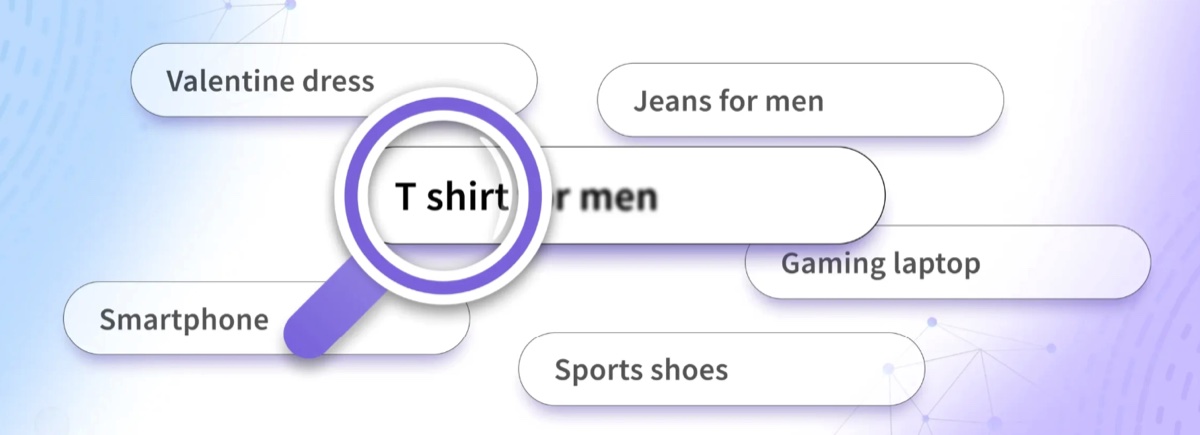
Not every search query is created equal. Someone searching "what is email marketing" is learning. Someone searching "best email marketing platform for small business" is buying. The difference is commercial intent and it is the single most important factor separating keywords that drive revenue from keywords that just drive pageviews.
Commercial intent keywords sit between informational queries and transactional queries. The searcher is not ready to buy this second, but they are actively evaluating. They want to make a smart decision, and they are looking for content that helps them do exactly that. For example, "project management software" is informational. "Best project management software for remote teams" is commercial intent. The searcher has a specific need and wants options.
You can usually spot commercial intent by the modifiers in the query:
- Comparison modifiers: "best," "vs," "top," "compared to," "alternative to"
- Evaluation modifiers: "review," "pros and cons," "is it worth it," "features"
- Pricing modifiers: "pricing," "cost," "how much does," "free vs paid"
- Use-case modifiers: "for small business," "for beginners," "for enterprise," "for ecommerce"
Commercial Intent Keywords by Industry
Abstract advice is less useful than concrete examples. Here is what commercial intent keywords look like across different industries:
SaaS / Software:
- "best CRM for small business 2026"
- "HubSpot vs Salesforce for startups"
- "email marketing platform pricing comparison"
Ecommerce:
- "best running shoes for flat feet"
- "Nike vs Adidas trail runners review"
- "affordable standing desk under $500"
Professional Services:
- "best accounting firm for freelancers"
- "digital marketing agency pricing"
- "SEO audit cost for small business"
B2B:
- "best employee onboarding software"
- "top supply chain management platforms"
- "warehouse management system comparison"
The pattern is consistent a category plus a qualifier that signals evaluation. These searchers will become customers. The question is whose.
Why Commercial Intent Drives Outsized Value in AI Search
AI engines handle an increasing share of commercial research queries. When someone asks ChatGPT "what's the best project management tool for a 10-person team," the model does not rank pages. It synthesizes an answer from its training data and, in some cases, live web results, then recommends specific brands. The brands that get recommended are the ones with clear, authoritative content covering that exact use case, consistent mentions across multiple high-quality sources, and structured data that AI can parse easily.
HubSpot's research confirms that keyword intent directly influences how both traditional and AI search engines serve results. Backlinko classifies commercial intent keywords into buyer-intent tiers (buy-now, product, informational, tire-kicker) and notes that the highest-ROI sites concentrate almost entirely on the buyer-intent end of that spectrum. The pattern holds across both channels specificity and original perspective win.
This is why commercial investigation keywords are the dual-channel sweet spot. They rank in Google, trigger AI Overviews at high rates, and consistently generate AI citations.
The Six-Step Research Framework
With intent established, here is the framework for actually finding the keywords worth pursuing. Run these steps in order skipping any of them produces a keyword list that looks good in a spreadsheet and performs badly in the wild.
Step 1: Map the Questions AI Users Actually Ask
Start with conversational queries, not keyword phrases. AI search users ask full questions they do not type two-word fragments. The queries that matter most are the ones where an AI engine would need to cite an external source to answer credibly.
How to find these queries:
- Use AI engines directly. Ask ChatGPT, Perplexity, and Gemini questions about your industry. Note which follow-up questions they suggest. These reveal the information paths your audience follows.
- Mine "People Also Ask" at scale. Google's PAA boxes surface conversational intent. Tools like AlsoAsked and AnswerThePublic cluster these into topic trees that map directly to AI query patterns.
- Analyze your existing Search Console data. Filter for queries phrased as questions (who, what, how, why, best, compare). These are the queries most likely to trigger AI Overviews and appear in conversational AI sessions.
- Check AI Overview triggers. Semrush's 2025 AI Overviews study tracked the trigger rate fluctuating from 6.5% in January, to almost 25% by July, before settling near 16% in November. The volatility is itself a signal: Google is actively experimenting with which queries deserve a synthesized answer instead of a list of links, and long-tail informational queries account for the majority of triggers. These are the queries you most want to be the cited source for.
The output of this step is not a keyword list. It is a question map grouped by topic, intent, and the type of answer required.
Step 2: Identify Topics Where You Can Be the Definitive Source
AI engines do not cite pages that repeat what every other page says. They cite sources that add something original proprietary data, unique methodology, first-party research, or the most complete treatment of a specific topic.
For each topic cluster from Step 1, ask:
- Do we have data no one else has? Customer surveys, industry benchmarks, original case studies, and proprietary metrics create defensible content material AI engines must cite because the information exists nowhere else.
- Can we be the most comprehensive source? AI models evaluate depth. A page that answers the primary question and its five most common follow-ups will outperform a page that only addresses the headline query.
- Is there an information gap? If current top results give vague or outdated answers, that is your opportunity. AI engines actively seek better sources content freshness matters significantly for AI citation selection.
This is where AI keyword research diverges most sharply from the traditional model. Volume and difficulty become secondary to authority and completeness.
Step 3: Analyze How AI Engines Currently Answer Your Target Queries

Before creating content, run your target queries through multiple AI platforms and study the responses. This is the AI equivalent of analyzing the SERP.
What to look for:
- Which sources get cited? These are your true competitors for AI visibility not necessarily the same sites that rank in Google organic results.
- What format does the AI use to answer? Definitions, numbered lists, comparisons, step-by-step guides the format the AI chooses reveals what it considers the ideal answer structure.
- Where are the gaps? If the AI gives an incomplete or generic answer, that is a content opportunity. If it says "I don't have enough information to answer this definitively," that is an even bigger one.
- Does the answer vary across platforms? Each AI engine has its own retrieval and citation logic. A query that triggers a citation in Perplexity may produce an uncited summary in ChatGPT. Multi-platform analysis reveals where your biggest opportunities lie.
A thorough citation analysis across AI platforms tells you exactly where you stand and where the gaps are before you write a single word.
Step 4: Build Topic Clusters, Not Keyword Lists
AI engines reward topical authority. A single well-optimized page can earn citations, but a cluster of interconnected content covering a topic comprehensively signals to AI models that your site is an authoritative source worth citing repeatedly.
How to structure clusters for AI visibility:
- One pillar page per core topic. This page answers the primary question completely and links to supporting content that covers subtopics in depth the hub-and-spoke topic cluster model is now standard practice for both Google ranking and AI citation.
- Supporting pages for each major subtopic. Each page should answer a specific question thoroughly enough to stand alone as a citable source.
- Internal linking that creates clear topical relationships. AI crawlers follow link structures to understand which pages are related and which site is the authority on a subject. Strong internal linking directly influences AI visibility.
- Consistent entity signals. Use your brand name, category terms, and location signals consistently across the cluster. AI models use these signals to build confidence in attributing expertise to your brand.
Princeton-led GEO research (Princeton, Georgia Tech, IIT Delhi, and the Allen Institute for AI) established that optimized content achieves up to 40% higher visibility in generative engine responses. The primary drivers identified in the paper were source citation, quotation inclusion, and statistical enrichment all characteristics that map naturally onto well-structured topic clusters.
Step 5: Prioritize by Citation Potential, Not Just Search Volume
Traditional keyword research sorts opportunities by volume and difficulty. AI keyword research adds a third dimension: citation potential the likelihood that an AI engine will cite an external source when answering this query.
High citation potential indicators:
- Queries that require specific data or statistics. AI engines cannot fabricate numbers credibly, so they cite sources that provide them.
- Queries comparing products, services, or approaches. Comparison queries demand multiple perspectives, and AI engines cite the sources that present structured, balanced evaluations.
- Queries about recent developments or trends. AI training data has a cutoff, so questions about current events or 2026-specific topics force AI engines to retrieve and cite fresh sources.
- Queries where accuracy matters legally or financially. Medical, legal, and financial queries trigger higher citation rates because AI engines hedge against liability by attributing claims.
Low citation potential indicators:
- Simple factual queries. "What is the capital of France?" will never cite your site.
- Queries the AI can answer from training data alone. If the answer is stable and widely known, AI engines do not need external sources.
Weight your content calendar toward high citation potential topics. A query with 500 monthly searches and high citation potential is more valuable for AI visibility than one with 5,000 searches that AI engines answer without citing anyone.
Step 6: Optimize Content Structure for AI Extraction
The final step bridges keyword research and content creation. Once you know what to write about, how you structure the content determines whether AI engines can extract and cite it.
Structure principles that earn citations:
- Lead with the direct answer. Place the core answer in the first paragraph before any context or background. AI engines scan for the answer first and decide whether to cite based on what they find immediately.
- Use clear heading hierarchies. H2s and H3s should read as standalone questions. AI models use headings to navigate content and extract specific sections.
- Include structured data. JSON-LD schema, FAQ markup, and HowTo schema give AI engines machine-readable context about your content. This is foundational to any generative engine optimization strategy.
- Attribute claims with sources. When you cite data, link to the original source. AI models use citation patterns as a trust signal content that cites its own sources is more likely to be cited by AI engines in turn.
- Write in a conversational, direct tone. AI engines prefer content that sounds like a knowledgeable expert answering a question, not marketing copy or academic text.
Competitor Keyword Research
Your competitors are ranking for keywords you have not even considered targeting. Some are driving thousands of visits per month. Others are the exact queries AI search engines use when deciding which brands to recommend. Competitor keyword research is not about copying it is about understanding what is already working in your market, finding the gaps rivals have missed, and building content that earns visibility in both channels.
Competitor keywords are the search terms rival websites rank for organically or through paid ads. They represent validated demand. Someone already proved these terms drive traffic and conversions. Two types matter:
- Organic competitor keywords. Terms where rivals appear in unpaid search results. These reveal their content strategy the topics they have invested in, the questions they are answering, the intent they are capturing.
- Paid competitor keywords. Terms rivals bid on in Google Ads. If they are spending money on a keyword, they have almost certainly tested it and found it profitable. Paid keywords are a shortcut to understanding commercial intent.
The most valuable competitor keywords are ones where your rivals rank but you do not appear at all. These are content gaps proven opportunities you are leaving on the table.
Identify Your Real SEO Competitors
Your business competitors are companies selling similar products to similar customers. Your SEO competitors are websites that rank for the same keywords you are targeting or should be targeting. These groups often overlap, but not completely. A media publication, niche blog, or industry directory might outrank you for dozens of important keywords without selling anything competitive they are still your SEO competitors because they are capturing the attention of your audience.
To identify them:
- Search your core terms. Enter your top 10–15 keywords into Google and note which domains appear repeatedly. Sites showing up across multiple queries are your primary organic competitors.
- Use keyword gap tools. Semrush's Keyword Gap and Ahrefs' Content Gap let you enter your domain and automatically identify which sites compete with you most across your keyword footprint.
- Check AI search. Ask ChatGPT, Perplexity, or Gemini questions your customers would ask. Note which brands get mentioned. If a company appears in AI answers for your industry but you do not, they are winning the AI visibility battle and understanding why matters.
How to Find Competitor Keywords
Google Search Console + manual research (free). You can learn a surprising amount without paid tools. Search your competitor's brand name plus terms like "vs," "alternative," or "review" the autocomplete suggestions reveal what people associate with them. Study their site structure, blog categories, and navigation each page targets at least one keyword cluster, and URL slugs, H1s, and meta titles often contain the target terms in plain text. Use Google's site: operator to see which of their pages Google has indexed for a given topic.
Semrush Organic Research. A paid tool built specifically for competitor keyword analysis. Enter any domain and see every keyword they rank for with position, search volume, and traffic estimate; which pages drive the most organic traffic; new keywords they have started ranking for; and keywords where their rankings are declining (opportunities for you). The Keyword Gap tool lets you enter your domain and up to four competitors, filter for keywords where they rank but you do not, and sort by volume.
Ahrefs Content Gap. Enter your site and up to 10 competitors. It surfaces keywords where at least one competitor ranks in the top 10 but you do not rank at all. The Traffic potential metric estimates the total traffic a page could receive from all the keywords it ranks for helping you prioritize topics, not just individual terms.
SpyFu for paid keyword intelligence. If competitors run Google Ads, SpyFu reveals their entire paid keyword history including terms they have tested and dropped. Keywords competitors consistently bid on month after month are almost certainly profitable.
Prioritization Framework
Not every keyword your competitor ranks for deserves your attention. Use this framework:
| Factor | What to Evaluate | Priority Signal |
|---|---|---|
| Relevance | Does this keyword match your product, service, or audience? | Must-have irrelevant traffic is worthless |
| Search intent | Is the searcher looking to learn, compare, or buy? | Commercial and transactional intent converts best |
| Volume | How many people search this term monthly? | Higher volume = more potential traffic |
| Difficulty | How hard is it to rank on page one? | Target terms where your domain authority is competitive |
| Current gap | Do you have any content on this topic? | Complete gaps are higher priority than partial coverage |
| AI relevance | Would AI engines associate this topic with your brand? | Topics that build topical authority in AI compound over time |
The sweet spot is keywords with decent volume, clear commercial intent, manageable difficulty, and no existing coverage on your site. These are gaps where a single well-crafted page can start generating traffic within weeks.
Winning Competitor Keywords
Finding the keywords is research. Winning them is execution.
Create better content, not more content. Read their ranking page carefully. Identify what is missing, outdated, vague, or could be explained more clearly. Then create a page that covers the topic more thoroughly, with better structure, fresher data, and more actionable advice. Google's helpful content guidelines reward pages that demonstrate first-hand expertise and provide substantial value beyond what other results offer. AI systems amplify this effect they are specifically designed to identify which sources provide the most complete, authoritative answers.
Build topical clusters, not isolated pages. One page can rank for a keyword. A cluster of interlinked content builds the kind of authority that is hard to displace in both Google and AI search. If you are targeting "CRM for small business," do not write one page. Build a cluster: a comprehensive guide, a comparison post, a features checklist, implementation tips, and common mistakes. Link them together. This is the same principle behind building a brand guide for AI search visibility consistency and depth across a topic beats a single strong page.
Match and exceed search intent. If the top results for a keyword are all comparison articles, do not publish a product page. If they are all step-by-step tutorials, do not publish a thought leadership essay. Match the format that is already winning, then exceed it in quality and depth.
Optimize for AI citability. When you create content to win a competitor keyword, structure it so AI engines can easily extract and cite your answers. Clear, direct answers near the top of sections. Structured data. Factual, specific claims rather than vague generalities. The signals that earn AI citations overlap heavily with what makes content rank well in Google but they are not identical, and the gap is growing.
When someone asks ChatGPT "what's the best CRM for small business," the model's recommendation is not based on keyword rankings. It is based on which brands have built the strongest association with that topic across the web content it has been trained on. If your competitor has 30 articles covering CRM topics with consistent, authoritative, well-structured content and you have two the AI will recommend them. Every keyword gap you close with excellent content does not just improve your Google rankings it strengthens the signals that determine whether AI engines choose your brand over others. AI systems update their knowledge not in real time, but regularly enough that consistent content investment compounds.
Five Criteria for Choosing Keywords That Work Across Both Channels
Knowing how to research keywords is only half the job. Deciding which to actually pursue is the harder question and the one most businesses get wrong. A keyword with 10,000 monthly searches and low difficulty might earn a page-one ranking, but if AI engines answer that query from training data without citing anyone, it delivers zero AI visibility. The reverse is also true a long-tail question with modest search volume can drive significant value if AI engines consistently cite external sources when answering it.
Evaluate every candidate keyword on these five criteria.
1. Search Volume and Trend Direction
Volume still matters it tells you how many people are looking for something. But in 2026, the direction of the trend matters more than the absolute number.
A keyword with declining volume may signal that the query is migrating to AI search. Some keywords that look strong historically are actually losing their audience to AI platforms. Check 12-month volume trends, not just current snapshots. Compare Search Console click-through rates declining CTR on stable volume often means AI Overviews are absorbing clicks. Prioritize keywords with stable or growing volume that also have AI citation potential.
2. AI Citation Potential
This is the new dimension most teams skip entirely. AI citation potential measures the likelihood that an AI engine will cite an external source rather than answering from training data alone when responding to a query.
High citation potential signals:
- The query requires specific, current data or statistics that AI engines cannot generate from training data alone
- The query compares products, services, or approaches comparison queries demand cited sources for credibility
- The query asks about events, trends, or developments from the current year AI training data has a cutoff, forcing citation of fresh sources
- AI Overviews appear for the query Semrush's 2025 study put the trigger rate near 16% by November, with long-tail queries accounting for the majority of those triggers
Low citation potential signals:
- Simple factual queries with stable, universally known answers
- Queries where the answer fits in one sentence
- Navigational queries where people search for a specific website
Run your candidate keywords through multiple AI platforms. If three out of five cite external sources when answering, the keyword has high citation potential.
3. Intent Alignment Across Both Channels
The same keyword can signal different intent in traditional search versus AI search. A user typing into Google may want a list of options to browse. The same user asking an AI engine may want a definitive recommendation.
- Informational intent works well across both channels educational content ranks in Google and gets cited by AI engines when comprehensive and well-structured.
- Commercial investigation ("best X for Y") is the biggest dual-channel opportunity these queries rank in Google, trigger AI Overviews, and consistently generate AI citations.
- Transactional intent ("buy X," "pricing for X") performs well in traditional search but rarely earns AI citations AI engines typically do not cite sources for direct purchase queries.
- Navigational intent is irrelevant for AI optimization skip these entirely.
The highest-value keywords for dual optimization sit at the intersection of informational and commercial investigation intent.
4. Content Gap and Differentiation Opportunity
A keyword is only worth pursuing if you can create content that adds something the existing results do not. Search the keyword in Google and review the top 10 results. Are they generic, outdated, or missing a specific angle? Run the query through ChatGPT, Perplexity, and Gemini are the answers complete, or do the AI engines hedge, qualify, or give vague responses? Check if existing cited sources include original data. If no one is providing first-party data, that is your opening.
The strongest keyword opportunities are those where both the SERP and the AI answers have clear gaps where you can rank in Google by being more comprehensive AND earn AI citations by providing data or analysis no one else offers.
5. Competitive Feasibility Across Both Channels
The final criterion filters out keywords where competition is too strong to be practical.
Traditional SEO feasibility: Keyword difficulty score can your domain authority realistically compete? Current ranking position are you already on page one, or starting from scratch? Content quality of current top results can you genuinely create something better?
AI citation feasibility: Who is currently being cited by AI engines for this query? If it is exclusively major publications or government sources, earning citations will be difficult regardless of content quality. How many sources does the AI cite? Queries where AI engines cite 3–5 sources are more accessible than those where they cite only one authoritative source. Competitive analysis across AI search platforms reveals which competitors already dominate AI citations for your target keywords and where they are weak.
A keyword that is moderately competitive in traditional SEO but wide open for AI citations is often the best investment. You gain search traffic from rankings while building AI visibility that competitors have not yet contested.
Scoring the Five Criteria
For each candidate keyword, score on a simple 1–3 scale:
| Criterion | 1 (Low) | 2 (Medium) | 3 (High) |
|---|---|---|---|
| Volume + trend | Declining volume, low absolute | Stable volume | Growing volume or high stable |
| AI citation potential | AI answers without citing | Mixed citation across platforms | Consistent citations across 3+ platforms |
| Intent alignment | Navigational or pure transactional | Informational only | Commercial investigation or dual informational |
| Content gap | Saturated no clear angle | Some gaps in existing content | Clear gaps in both SERP and AI answers |
| Competitive feasibility | Dominated by high-authority sites in both channels | Competitive in one channel, open in the other | Accessible in both channels |
Keywords scoring 12–15 are your highest-priority targets. Keywords scoring 8–11 are solid secondary targets. Below 8, deprioritize or find a different angle.
The scoring is intentionally simple. The goal is not precision it is consistent decision-making that prevents chasing high-volume keywords with no AI future or niche AI topics with no search demand.
Mapping Intent to Content Format
Each intent type demands a different content approach. Publishing the wrong format for an intent type is one of the most common reasons content underperforms.
Informational Intent Content
- Format: Long-form guides, explainers, tutorials in a strong blog format, FAQs
- Structure: Clear headings that match question patterns, table of contents, definition boxes
- Depth: Comprehensive coverage AI engines prefer sources that answer the question completely in one place
- Example: A guide on Google ranking factors should cover every major factor, not just the ones the writer finds interesting
Commercial Investigation Content
- Format: Comparison posts, "best of" lists, reviews, versus articles
- Structure: Comparison tables, pros/cons sections, clear recommendations, pricing information
- Depth: Decision-enabling the reader should be able to narrow their options after reading
- Example: A comparison of AI visibility tools needs head-to-head feature comparisons, not just individual descriptions
Buyers in evaluation mode want structured, scannable, opinion-backed content that helps them decide:
- Lead with a clear recommendation. Do not bury your answer under 2,000 words of background. State your top pick or key finding in the first paragraph, then support it with evidence. AI search engines extract these direct statements first the clearest, most specific claims win citations.
- Use comparison structures. Tables, pros/cons lists, feature breakdowns, side-by-side evaluations. Same format that performs best in AI search results.
- Include pricing and specifics. If someone searches "marketing automation pricing," they want numbers. Include pricing tiers, cost ranges, or at minimum a clear explanation of what factors affect cost. Specificity builds trust trust separates a pageview from a lead.
- Add original perspective. At the commercial intent stage, every result on page one covers roughly the same ground. Your differentiator is original analysis, proprietary data, or a genuine point of view.
Transactional Intent Content
- Format: Product pages, pricing pages, conversion-focused landing pages, checkout flows
- Structure: Benefits above the fold, social proof, clear CTAs, minimal friction
- Depth: Just enough to convert these pages are not the place for educational content
- Example: A pricing page should lead with value, show the price, and make purchasing effortless
Navigational Intent Content
- Format: Homepage, branded landing pages, login pages
- Structure: Clear branding, fast load times, obvious navigation
- Depth: Minimal the user already knows what they want, get them there quickly
How to Audit and Fix Intent Alignment

Here is a practical process for auditing your existing content against keyword intent:
Step 1: Pull your keyword-to-URL mapping. Export your top-ranking keywords from Search Console and map each one to the page that currently ranks for it.
Step 2: Classify each keyword's intent. Use SERP analysis not guesswork. Search each keyword and study what Google shows. The SERP layout tells you the intent Google has assigned.
Step 3: Compare your page format to the intent. If Google shows comparison articles for a keyword but your ranking page is a product page, you have an intent mismatch. If Google shows step-by-step guides but your page is a high-level overview, you have a depth mismatch.
Step 4: Identify content gaps. For each mismatch, decide whether to rewrite the existing page or create a new page that better matches the intent. Sometimes the right move is to split one page into two one targeting the informational intent, another targeting the commercial intent.
Step 5: Monitor and iterate. Intent classification is not static. Google regularly re-evaluates what intent a query carries, especially as user behavior evolves. A keyword that was informational two years ago may now carry commercial intent because users have become more sophisticated. Schedule quarterly intent audits using a structured SEO audit checklist to catch these shifts before they cost you rankings.
Three Mistakes to Avoid
Choosing keywords for one channel only. A keyword that ranks well but never gets cited by AI engines has a shrinking ceiling. A keyword that AI engines love but no one searches for has no scale. The best keywords work across both evaluate accordingly.
Ignoring AI citation patterns. Many teams still select keywords without ever checking how AI engines answer those queries. Run every candidate keyword through at least three AI platforms before committing. Prompt research and keyword research are now complementary processes one reveals what people type into Google, the other reveals what they ask AI.
Treating keyword selection as a one-time exercise. AI search is evolving rapidly. The citation patterns of six months ago may not reflect today's reality. Revisit priorities quarterly re-check AI citation patterns, review volume trends, and monitor AI visibility to see if your chosen keywords are delivering results across both channels.
Putting It All Together: What to Do Right Now
If you have not run a full keyword review in the past quarter, start today.
- Identify your top 3–5 SEO competitors using the methods above. Do not assume they are the same companies you compete with commercially.
- Run a keyword gap analysis. Use Semrush, Ahrefs, or manual Google searches to find terms competitors rank for that you do not.
- Classify intent for every candidate. Use SERP analysis, not guesswork. Prioritize commercial investigation keywords.
- Score each candidate against the five criteria. Pursue 12–15 first, 8–11 second. Ignore below 8.
- Build content for the top 10 gaps. Create pages genuinely better than what currently ranks. Focus on depth, structure, and actionable value.
- Check your AI visibility. SwingIntel shows whether AI search engines associate your brand with the topics that matter. If competitors are getting mentioned and you are not, keyword research is even more urgent you are falling behind in two ecosystems, not just one.
The best keyword strategy in 2026 is not the longest it is the most deliberate. A focused list of 20 keywords that score well across all five criteria will outperform a list of 200 selected on volume alone. Every piece of content that earns AI citations reinforces topical authority, which makes the next piece more likely to be cited. Brands that wait will find the gap increasingly difficult to close.
Frequently Asked Questions
How is keyword research for AI search different from traditional keyword research?
Traditional keyword research focuses on search volume and ranking difficulty. AI keyword research adds a third dimension: citation potential the likelihood that an AI engine will cite an external source when answering the query. The output shifts from a ranked keyword list to a prioritized map of questions, topics, and content structures that earn AI citations across both channels.
What types of queries have the highest AI citation potential?
Queries requiring specific data or statistics, queries comparing products or services, queries about recent developments or trends, and queries where accuracy matters legally or financially all have high citation potential. Simple factual queries and questions the AI can answer from training data alone rarely cite external sources.
What is the difference between commercial intent and transactional intent keywords?
Commercial intent keywords are used by buyers researching and comparing options before purchasing queries like "best CRM for small business" or "HubSpot vs Salesforce." Transactional intent keywords are used by buyers ready to complete a purchase "buy Salesforce annual plan." Commercial intent content should help buyers evaluate options; transactional content should facilitate the purchase itself.
How do I know if a keyword has commercial intent?
Look for modifiers that signal evaluation: "best," "vs," "top," "review," "pros and cons," "pricing," "for [use case]," "compared to." You can also check the search results if a keyword triggers product carousels, comparison tables, review snippets, or "People also ask" boxes about pricing and features, Google has classified it as commercial intent.
How does competitor keyword research apply to AI search?
AI engines build internal representations of which brands are experts on which subjects by ingesting web content. If competitors have comprehensive content covering a topic cluster and you have nothing, AI models will associate those competitors not you with that topic. Competitor keyword research reveals which subject areas rivals have claimed in the AI knowledge landscape, so you can build content that earns your way into the conversation.
Should I prioritize keywords with high search volume or high AI citation potential?
Neither in isolation. A keyword with high search volume but no AI citation potential has a shrinking ceiling as users shift to AI platforms. A keyword with high AI citation potential but no search volume has no scale. The best keywords score well on both use the five-criteria framework to find the intersection.
How often should I reassess my keyword priorities?
Quarterly at minimum. AI citation patterns shift as models update retrieval sources and retrain on new data. The keywords that earned citations six months ago may not produce the same results today. Re-check AI citation patterns, review volume trends, and monitor whether your chosen keywords are delivering across both Google and AI platforms.
Check your current AI visibility to see which keywords already connect your brand to AI search results, or see what we test for live citation testing across nine AI platforms and prioritized recommendations for closing both ranking and citation gaps.