When someone asks ChatGPT for a recommendation and it names your business, that single action is worth more than any page-one ranking. It isn't a listing. It's an endorsement, the AI telling the user "this source informed my answer", carrying implicit trust that a blue link never did.
AI citations are the new currency of search visibility. Hundreds of millions of people now use AI search tools every week, and the number grows every quarter. But earning those citations requires a fundamentally different approach than traditional SEO. The AI doesn't care about your brand story, your ad spend, or your domain age. It cares whether your page is the most credible, extractable, current answer to the question being asked.
This playbook is the complete guide: what AI citations actually are, the mechanism behind them, why they operate on rules your backlink profile can't touch, what each major platform looks for, how fast each one picks up new content, and the exact tactics (content, technical, and structural) that move the needle.
Key Takeaways
- Only 12% of Google AI Mode citations match URLs from the conventional organic SERP, your top-ranking pages are often invisible to AI.
- AI citations work through Retrieval-Augmented Generation (RAG): expansion → retrieval → ranking → generation with attribution. Five factors determine whether your page gets cited: clarity, structured extractability, authority corroboration, freshness, and technical accessibility.
- Brand mentions can be up to 3× more influential than backlinks in driving LLM citations, and AI-citation traffic tends to convert at higher rates than backlink-driven traffic because users arrive pre-qualified by the AI's recommendation.
- Content updated within 30 days earns 3.2× more AI citations than content untouched for six months, a sharp cliff, not a gradual decline.
- Perplexity cites new content within hours (82% citation rate for content updated within 30 days), ChatGPT within 1-5 days (76.4% within a 60-day window), Google AI Overview in days to weeks (61% within a 90-day window, the lowest freshness sensitivity).
- Semantic HTML structure (heading hierarchy, definition lists, proper table markup, figure/figcaption pairing) often shifts citation rates more than adding schema markup alone. The two signals compound when stacked.
What Is an AI Citation?
An AI citation is a reference that an AI search engine includes in its response, linking to a specific web page as a source. It is fundamentally different from a traditional search result.
In traditional search, Google shows ten links and lets the user decide which to click. In AI search, the model reads multiple sources, synthesizes an answer, and then cites the pages it actually used. The user gets the answer directly, and the citation is how they verify it.
The distinction matters because a citation is selective. A search result page shows everyone who ranked. A citation shows only the sources the AI deemed worthy of reference, typically a small handful per response, compared to the 10+ results on a traditional SERP. Fewer slots means the competition for each one is far more intense. And the citations themselves aren't always reliable: a Tow Center / Columbia Journalism Review study found AI search engines fail to produce accurate citations in over 60% of tests, which is part of why earning a clean, structured page worth citing matters even more.
AI citations appear in several forms:
- Source cards: clickable panels (Google AI Overview, Perplexity)
- Numbered footnotes: inline references within the response (Perplexity, Claude)
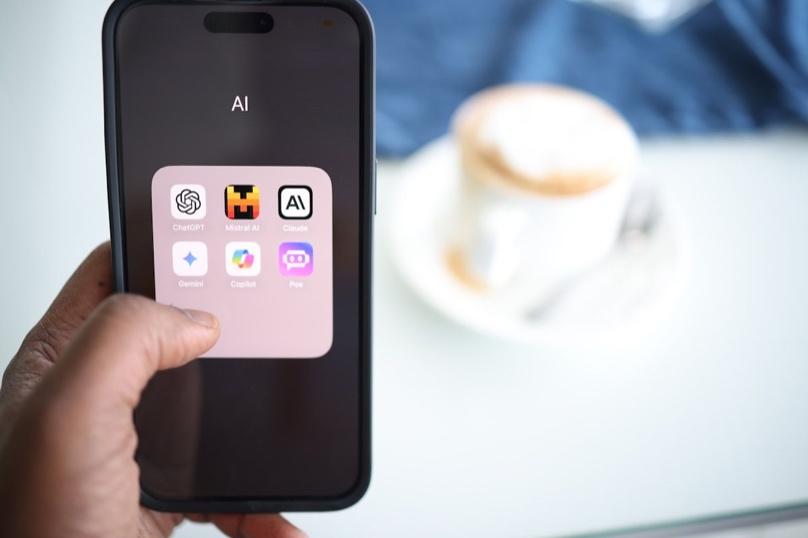
- Source lists: URLs listed at the end of a response (ChatGPT, Gemini)
- Brand mentions: the AI names your brand or product in its answer without a direct link
Citations vs Mentions: They Are Not the Same
Before going further, the distinction between a citation and a mention is critical.
A citation is a direct reference with a link. The AI says "according to [Source]" and provides a URL. The user can click through. Your traffic benefits.
A mention is when the AI references your brand by name without linking to you. "Brands like Nike, Allbirds, and Patagonia are investing in sustainable materials." That's a mention. It builds familiarity but doesn't drive traffic or directly verify trust.
Both matter, but citations are the higher-value outcome. AirOps research analyzing 21,000+ brand mentions found 85% of brand mentions in AI responses come from third-party pages (Reddit threads, YouTube videos, review sites, listicles) rather than the brand's own website. Earning a direct citation from your own domain is the harder, more valuable win.
How AI Search Engines Actually Find and Cite Sources

The mechanism behind AI citations is called Retrieval-Augmented Generation, or RAG. Understanding RAG is essential because it reveals exactly what you need to optimize for.
Step 1: Query expansion. When a user asks a question, the AI does not search for that exact phrase. It breaks the query into sub-questions, generates related queries, and expands the scope. A question like "best project management tools for remote teams" might become five or six internal searches covering features, pricing, team size, integrations, and reviews.
Step 2: Retrieval. The AI pulls content from its index, built from web crawls, search engine results, or proprietary data sources depending on the platform. It retrieves chunks of content (not full pages) that match the expanded queries. This is where most websites fail. If your content isn't structured to produce clean, self-contained chunks, the retrieval step skips you entirely.
Step 3: Ranking and filtering. The retrieved chunks are scored for relevance, authority, and freshness. The AI is looking for content that directly answers the question, comes from a credible source, and is current. Pages that are outdated, overly promotional, or vaguely related get filtered out.
Step 4: Generation with attribution. The AI synthesizes an answer from the top-scoring chunks and attaches citations to the claims those chunks supported. Not every chunk that was retrieved earns a citation; only the ones the model relies on for specific factual claims.
The core implication: AI citations are fundamentally a retrieval problem, not a content marketing problem. You don't need the most persuasive page. You need the most retrievable, citable page.
Citations vs Backlinks: Why Your Top Rankings Might Be Invisible
Backlinks have been Google's core ranking signal since PageRank launched in 1998. That playbook still works for traditional search, but it is no longer the whole game. AI search engines don't follow backlinks. They read, interpret, and decide which sources to cite based on entirely different criteria.
The result: only 12% of AI citations overlap with organic SERP rankings. That means 88% of the sources AI chooses to cite are not the same pages ranking on page one.
Five Differences That Change Everything

1. How they are earned. Backlinks require outreach, relationships, or content compelling enough that others link to it organically. AI citations require content an AI can parse, understand, and judge authoritative, in milliseconds. No outreach. No relationship. Just the content on the page.
2. What signals they use. Backlinks rely on link graph signals: domain authority, referring domains, anchor text, link velocity. AI citations rely on content signals: structured data, entity recognition, factual accuracy, content depth, readability, third-party corroboration, and freshness. A 2026 analysis found content depth and readability are the strongest predictors of AI citation, while traditional metrics like traffic and backlink counts have minimal impact.
3. Where they create visibility. Backlinks improve rankings on Google, Bing, and other traditional search engines. AI citations make you visible inside ChatGPT, Perplexity, Gemini, Claude, Google AI Overview, Grok, and the rest. Different surfaces, different audiences. Someone asking ChatGPT "which CRM is best for small businesses?" never sees a traditional SERP.
4. How persistent they are. A backlink, once earned, tends to persist; it stays on the linking page until someone removes it. AI citations are generated dynamically for each query. Your site might be cited for one question and absent from a nearly identical one minutes later. Citation consistency depends on maintaining the content signals the AI values; it's never a permanent placement.
5. Conversion impact. Backlink-driven traffic arrives via a search result click, a navigational action. AI citation traffic arrives with an implicit endorsement: the user has already received a recommendation from the AI and clicked through to verify or buy. That pre-qualification meaningfully changes intent and tends to lift conversion rates compared to typical organic search traffic.
Why Backlinks Alone Are No Longer Enough
AI systems evaluate content differently:
- Entity recognition over domain authority: AI looks for whether your content clearly establishes what your brand is, what it does, and why it matters. A strong knowledge graph presence carries more weight than a strong backlink profile.
- Content parsability over page rank: AI needs to extract clean, structured information. A page with excellent schema markup and clear Q&A formatting gets cited over a higher-ranking page with messy HTML.
- Third-party corroboration: AI cross-references mentions of your brand across Reddit, Quora, review sites, and news sources. Peec AI's analysis of 30 million sources found Reddit, YouTube, and LinkedIn are the most-cited domains across major AI platforms; Reddit ranks as either the #1 or #2 most-cited source on every major LLM tested, including Perplexity.
- Freshness and accuracy: a page updated last month outperforms an authoritative page last updated two years ago.
This doesn't kill backlinks. Google's traditional SERP still drives the majority of search traffic, and backlinks remain the primary ranking signal there. But backlinks do almost nothing to influence the AI channel, and the share of searches handled by AI is growing rapidly.
Quick Reference: What Earns What
| Factor | Impact on Backlinks | Impact on AI Citations |
|---|---|---|
| Domain authority | High | Low |
| Inbound link count | High | Minimal |
| Content depth & readability | Moderate | High |
| Structured data (JSON-LD) | Low | High |
| Brand mentions across the web | Low | Very high |
| Content freshness | Low | High |
| Third-party reviews & discussions | Low | High |
| Entity clarity (who, what, where) | Low | High |
| Anchor text optimization | High | None |
| Page speed & technical SEO | Moderate | Low |
What Makes Content Citable: The Five Universal Factors
Based on how AI systems evaluate content for citation eligibility, five factors consistently determine whether your page gets cited or skipped. Every platform weights them differently, but none of them skip any of the five.
1. Clarity Over Persuasion
AI systems avoid pages that are overly promotional or opinion-heavy because they're harder to reuse safely across different contexts. "Our tool is the best on the market" is promotional. "This tool supports 14 integrations, offers a free tier for teams under 10, and processes 50,000 records per second" is citable.
Write factual, specific, self-contained sentences. Each claim should stand on its own without needing the surrounding paragraph for context. Train yourself to produce at least one citable sentence per section. These are the building blocks AI agents use when constructing answers.
Not citable: "We offer really great solutions that help businesses grow."
Citable: "SwingIntel's AI Visibility Research runs 24 technical checks and scores 14 dimensions across structured data, content clarity, and technical signals, producing an AI Readiness Score from 0 to 100."
2. Structured, Extractable Content
AI retrieval works on chunks, not full pages. If your page is a single flowing narrative with no clear sections, the AI has to do more work to extract useful information, and will often choose a competitor's page where extraction is easier.
Use descriptive headings. Put the answer at the top of each section. Use comparison tables, numbered lists, and definition formats where they fit naturally. Structure your content so that any individual section could be pulled out and used as a standalone reference.
3. Authority and Corroboration
Authority in AI search is not the same as domain authority in traditional SEO. AI systems look for corroboration: whether the claims on your page are supported by other credible sources across the web. A page with original data, properly cited statistics, or expert credentials is more likely to be cited than a page that restates common knowledge without attribution.
Third-party signals matter enormously. If people on Reddit, Quora, and industry forums reference your brand or content, AI systems pick up on that, which is why building a presence on those platforms directly feeds your citation eligibility.
4. Freshness
Content that hasn't been updated in months loses citation eligibility. AI platforms prioritize current information, especially for topics that evolve quickly. A page published two years ago with no updates consistently loses to a page published six months ago that has been refreshed since.
Review your top-performing pages monthly. Update statistics, add recent examples, adjust recommendations to reflect current reality. Even small updates signal to AI crawlers that the page is actively maintained. We'll quantify exactly how much freshness matters, and how fast each platform reacts, further down.
5. Technical Accessibility
If AI crawlers cannot access your page, nothing else matters. Check your robots.txt to ensure you aren't blocking AI user agents (more on this shortly). Ensure your content renders without JavaScript, most AI crawlers don't execute JS. Use proper schema markup, JSON-LD structured data helps AI systems understand what your page is about before they even parse the body content.
The Semantic HTML Foundation
Most guides about earning AI citations point you toward complex schema markup, JSON-LD scripts, and technical SEO overhauls. The higher-leverage move is usually simpler, and most teams skip past it: change nothing about the words on a page and focus entirely on how the content is structured in HTML. Proper heading hierarchy. Semantic elements like <article>, <section>, and <figure>. Definition lists instead of loose paragraphs. These structural changes lift citation probability across every major AI platform in a way that content-only work doesn't.
When we say semantics, we're not talking about structured data in the JSON-LD sense, though that helps too. We're talking about the HTML layer most content teams ignore entirely. Semantic HTML means using elements that describe the role of content, not just its appearance. A <section> tells an AI model "this is a self-contained topic." An <article> says "this is a complete, independent piece of content." A <figure> with a <figcaption> says "this image has a specific relationship to the surrounding text."
Most websites treat HTML as a visual tool. Headings get picked by size rather than logical hierarchy. Lists render as styled divs. Tables get built with CSS grid instead of actual <table> elements. The content looks right to humans but reads as unstructured noise to AI models.
The Five Structural Changes That Matter Most
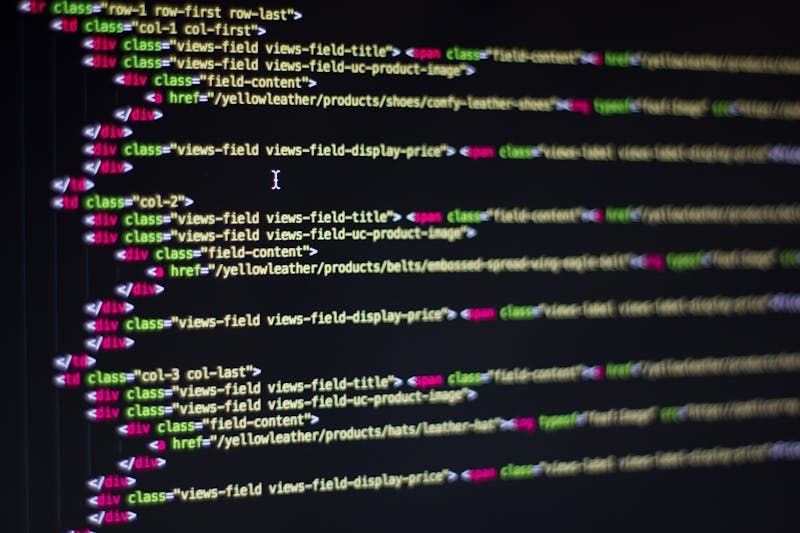
1. Heading hierarchy repair. Every page should have a clean H1 → H2 → H3 hierarchy with no skipped levels. Many content systems quietly introduce skips (an H2 followed immediately by an H4, or two competing H1s) because editors pick headings for visual size. AI models treat a skip as a broken outline and deprioritize the page for extraction. Fixing this alone is usually the single most impactful change on any page.
2. Semantic element wrapping. Wrap logical content blocks in appropriate HTML5 elements: <article> for the main content body, <section> for each major topic, <aside> for supplementary information, <nav> for internal link blocks. When everything lives inside generic <div> containers, AI models have no structural signal about where one idea ends and the next begins.
3. Definition structures. Wherever content answers a "what is" question, convert it from paragraph format to <dl>, <dt>, <dd> definition lists, or at minimum, ensure the question appears in a heading with the answer immediately following in the first paragraph. This pattern maps directly to how answer engines extract citations.
4. Table markup for comparisons. Comparisons of products, features, or options should live in a real <table> element with <thead>, <tbody>, and <th> scope attributes. CSS-styled grid layouts can look identical to users and still read as rows of unrelated text to AI parsers. Proper table markup tells the model which cells relate to which column headers, the signal needed to lift a comparison into an answer.
5. Figure and caption pairing. Wrap images in <figure> elements with descriptive <figcaption> text. This gives AI models explicit context about what an image represents and how it relates to surrounding content, rather than relying on alt text alone. The caption is also frequently what the model quotes when it references the image's context.
Why Semantic HTML Matters More Than Schema Alone
This is a controversial take, but it holds up in practice: for most websites, fixing your semantic HTML shifts AI citations more than adding schema markup does. Schema markup (JSON-LD structured data) tells AI models metadata about your page: what type of content it is, who wrote it, when it was published. That's valuable context, but it doesn't help AI models understand the content itself. Semantic HTML does.
The ideal approach is both. Pages that ship semantic HTML plus JSON-LD consistently outperform pages running either alone; the two signals compound into a stronger authority signal than the sum of the parts. Structured data without semantic HTML is like putting a label on a box packed in chaos: the label helps, but the contents are still hard to find.
If you have to choose where to start, start with semantic HTML. It's simpler, doesn't require technical expertise, and tends to deliver a larger citation lift. The improvement isn't instant. Most citation gains appear three to eight weeks after the structural changes ship, because AI models need time to re-crawl and re-index.
Platform-by-Platform: What Each AI Looks For

The universal factors are table stakes. Each platform also has distinct preferences worth optimizing for.
ChatGPT
ChatGPT uses a combination of its training data and real-time web browsing via Bing. When browsing, it favors authoritative, long-form content with clear factual statements.
What earns citations:
- Definitive statements early in your content, front-load answers in the first 30% of the page
- Specific data points, statistics, and named entities rather than generalizations
- Content structured with clear headings that match common question patterns
- Well-established domain authority signals (consistent publishing, backlink profile)
What doesn't work: marketing-heavy copy without substance, thin content, pages that require JavaScript rendering to display key information.
Perplexity
Perplexity is built around real-time web search and explicitly shows its sources. It's the most citation-transparent platform and the most likely to drive actual referral traffic back to your site.
What earns citations:
- Fresh content, pages updated within the last 30 days receive significantly more citations
- Well-structured articles with inline citations and references of their own
- Clear, extractable answers to specific questions
- Technical accuracy and depth, Perplexity tends to favor specialist content over generalist overviews
What doesn't work: stale content, paywalled or login-gated pages, thin content without substantive information.
Google AI Overview
Google AI Overview appears directly in search results and draws heavily from pages already ranking in the top 10 organic positions. It's the most brand-friendly AI feature, with most citations coming from brand domains rather than third-party sites.
What earns citations:
- Strong existing organic rankings for the target query
- Content that directly answers the query in a concise, extractable format
- Proper structured data markup (FAQ, HowTo, Article schemas)
- Fast page load times and strong Core Web Vitals
What doesn't work: pages that don't already rank organically for the target query, content buried behind tabs or accordions, slow-loading pages.
Claude
Claude draws from its training data and, when using web search, focuses on content quality and factual density. It tends to synthesize information across multiple sources rather than citing a single authority.
What earns citations:
- Nuanced, well-reasoned content that acknowledges complexity
- Factual precision, specific numbers, dates, named entities
- Content that covers multiple angles of a topic rather than a single perspective
- Clear definitions and explanations of technical concepts
Gemini
Gemini integrates deeply with Google's search index and Knowledge Graph. It favors content that aligns with Google's existing entity understanding and structured data.
What earns citations:
- Strong Knowledge Graph presence (Google Business Profile, Wikipedia references, consistent NAP data)
- JSON-LD structured data that matches Google's entity model
- Content that aligns with what Google already "knows" about your brand
- Freshness signals and regular content updates
Structure-Sensitivity Pattern
Across testing, Gemini and Google AI Mode appear to respond most strongly to semantic HTML structure, which tracks with Google's long history of weighting structured signals. ChatGPT and Perplexity also show meaningful citation lift from the same changes. All major AI search platforms parse HTML structure, which is why structural improvements are universally useful rather than platform-specific.
Citation Speed: How Fast Each Platform Picks Up New Content
Publishing great content is only half the job. The other half is getting AI search platforms to find and cite it, and depending on which platform your audience uses, the timeline varies wildly. Understanding these differences is how you stop publishing into a void and start earning citations on a predictable schedule.
Why Citation Speed Matters More Than You Think
In traditional SEO, indexing speed was a nice-to-have. In AI search, it determines whether your content exists at all. When someone asks ChatGPT or Perplexity a question and your recently published answer isn't yet in their retrieval system, you are invisible, not buried on page three, but genuinely absent from the conversation.
This creates a compounding problem. Platforms that cite your content first establish it as a trusted source, which increases the probability that other platforms pick it up too. A page Perplexity cites on day one is more likely to be indexed by Bing, which feeds ChatGPT's browsing capability, which reinforces the content's authority signals for Google AI Overview. Speed creates a citation flywheel.
The business implication is stark: if your competitor publishes a definitive answer to an industry question and gets cited within 48 hours, and you publish the same answer a week later, the AI platforms have already anchored on their source. Your content isn't competing, it's arriving after the decision has been made.
Platform-by-Platform Timelines
Perplexity: hours to days. The fastest platform, because it performs real-time web searches for every query. There is no training data lag and no waiting for a crawl cycle. Research from Whitehat SEO's AI engine comparison shows content updated within 30 days achieves an 82% citation rate on Perplexity, compared to just 37% for content older than six months, a 2.2× advantage for fresh content, the largest freshness gap of any platform. Perplexity also provides inline source citations for every factual claim, making it the canary in the coal mine for measuring your new-content pickup.
ChatGPT: 1 to 5 days (with browsing). Speed depends on whether it uses web browsing or training data alone. With browsing active (now the default for ChatGPT Plus and Enterprise), ChatGPT searches the web via Bing and can discover content within 24 hours of it being indexed. Content updated within 60 days achieves a 76.4% citation rate in browsing mode. The key accelerator: ChatGPT's browsing runs on Bing, so if your content isn't indexed in Bing, ChatGPT cannot find it. Implementing IndexNow (a protocol that instantly notifies Bing of new content) reduces crawl latency by 24-48 hours.
Google AI Overview: days to weeks. Draws heavily from pages already ranking in the top 10 organic results, creating a catch-22: to appear in AI Overview, you generally need organic rankings first, but earning those takes time. Content updated within 90 days achieves a 61% citation rate here, the lowest freshness sensitivity of any major AI platform. Google has also become better at distinguishing genuine content updates from superficial freshness manipulation, so changing a date without substantive updates does not help.
Claude: 1 to 5 days (with search). When search is active, Claude retrieves current content similarly to ChatGPT's browsing mode. Claude tends to synthesize information across multiple sources rather than citing a single authority, which means your content is more likely to influence Claude's response without being explicitly named.
Gemini: days to weeks. Relies on Google's search index and its own training data. Timelines are similar to Google AI Overview, faster for domains with existing authority, slower for new sites. Gemini shows a slight preference for content depth and topical comprehensiveness over raw freshness, meaning a well-researched piece published last week may outperform a thin update published yesterday.
The 30-Day Freshness Cliff
Across all platforms, content updated within 30 days earns 3.2× more AI citations than content that hasn't been touched in six months. This isn't a gradual decline. It's a cliff. Once content passes the 30-day mark without updates, citation rates drop sharply on real-time platforms like Perplexity and ChatGPT.
The strategy this implies is a rolling update cadence: publish, monitor citation performance, update substantively within 30 days, and repeat. Rather than publishing new pages and moving on, systematic freshness maintenance on your top-value pages is now table stakes.
Citation Speed Quick Reference
| Platform | Discovery Time | Freshness Sensitivity | Key Dependency |
|---|---|---|---|
| Perplexity | Hours | Very high (82% within 30d) | Real-time web search |
| ChatGPT (browsing) | 1-5 days | High (76.4% within 60d) | Bing index |
| Claude (search) | 1-5 days | High | Web search tools |
| Google AI Overview | Days-weeks | Moderate (61% within 90d) | Organic rankings |
| Gemini | Days-weeks | Moderate | Google index + depth |
Five Tactics to Get Cited Faster
1. Implement IndexNow. The single highest-impact action for reducing citation latency. Since ChatGPT's browsing uses Bing's index, pinging Bing via IndexNow the moment you publish or update content cuts the crawl lag from 48-72 hours to under 24. Most CMS platforms support IndexNow via plugins or simple API calls. If you're publishing for AI citations, this is non-negotiable.
2. Publish on a consistent weekly schedule. AI platforms learn crawl patterns. Sites that publish consistently signal that new content is worth checking frequently. Sporadic publishing means sporadic crawling, which means slower citation discovery.
3. Front-load citable facts. AI platforms extract specific, factual statements. If your key data point is buried in paragraph twelve, it's less likely to be cited than if it appears in your opening paragraphs. Put statistics, definitions, and direct answers in the first 30% of the page.
4. Use structured data to signal freshness. Adding dateModified and datePublished properties to your Article or WebPage schema helps AI platforms assess content freshness programmatically. Updated-date metadata now carries equal weight to published dates for freshness evaluation.
5. Monitor and update within the 30-day window. Track when and where your content gets cited. If a high-value page isn't cited within two weeks of publication, investigate why, Bing indexing, extractability, or topic authority are the usual culprits. When you update, make the changes substantive. AI platforms can distinguish between genuine updates and cosmetic date changes.
The Citation Killers
Even with perfect structure and freshness, a handful of technical mistakes can make your pages invisible.
Blocking AI crawlers in robots.txt. Many websites inadvertently block AI search crawlers while trying to prevent AI training. There's a critical difference: training crawlers (GPTBot for training, CCBot) and search crawlers (ChatGPT-User, PerplexityBot) serve different purposes. Block training if you want, but ensure search crawlers can access your content, otherwise AI platforms cannot cite you at all.
Relying on JavaScript-rendered content. Many AI crawlers don't execute JavaScript. If your key content loads dynamically via React, Vue, or Angular without server-side rendering, AI agents may see an empty page. Server-rendered HTML is essential.
Writing for humans only. Your content needs to serve two audiences simultaneously: human readers who want engaging content and AI agents who need extractable facts. The best content does both: readable and enjoyable for humans while structured and factual enough for AI extraction.
Ignoring third-party mentions. AI agents don't only cite your website directly. They pick up brand mentions from Reddit, Quora, review sites, and industry publications. A strong third-party mention strategy (participating in industry discussions, earning press coverage, maintaining review profiles) feeds your citation presence across all platforms.
Build a Dual Strategy: Backlinks + Citations
The most effective approach in 2026 isn't choosing between backlinks and AI citations, it's building both. Backlinks still drive Google rankings, and Google still drives the largest share of search traffic. AI citations make you visible where an increasing share of queries actually happen.
Keep building backlinks. Focus on relevant, editorial backlinks from industry publications. Create linkable assets, original research, tools, comprehensive guides. Maintain your existing profile. Pursue digital PR that generates both links and brand mentions.
Optimize content for AI citability. Lead with the answer, use structured data extensively, write citable sentences, structure for extraction, and maintain freshness. Every principle in this playbook feeds this column.
Invest in brand mentions. Brand mentions (your brand being discussed across the web without a direct link) are up to 3× more influential than backlinks in driving LLM citations. Build mention momentum through active participation on Reddit and Quora, thought leadership content, PR coverage that names your brand even without linking, and customer reviews on third-party platforms.
Measure both channels. Track backlink metrics (domain authority, referring domains, link velocity) alongside AI citation metrics (citation rate across platforms, mention frequency, AI visibility score). Traditional SEO tools cover the backlink side. For AI citations, you need tools that query AI platforms directly and measure whether your brand appears in responses.
How to Measure Your Citation Performance
You can't improve what you can't measure. Traditional analytics won't tell you whether AI agents are citing your business. You need purpose-built tools.
What we test includes your citation performance across all nine major AI platforms: ChatGPT, Perplexity, Gemini, Claude, Google AI Overview, Grok, DeepSeek, Microsoft Copilot, and Meta AI. We send real queries to each platform and analyze whether your business appears, how prominently you're mentioned, and what sentiment the AI expresses about your brand. That is 108 structured prompts per market, spread evenly across 12 query categories.
Start with AI visibility research to get your baseline AI Readiness Score. It shows you exactly where your website stands across the structured data, content clarity, and technical signals that drive AI citations. Then we go in and rebuild the signals that are costing you the citations.
The Compounding Advantage
AI citation patterns are self-reinforcing. Platforms that cite you today build a reference pattern that makes future citations more likely. Early movers in AI search optimization are building compounding advantages that will be increasingly difficult for latecomers to overcome.
The businesses that get cited in AI-generated answers today are training these systems to recommend them tomorrow. Every month you wait, competitors who are already optimizing pull further ahead, not linearly, but exponentially.
The mechanism is clear. The platforms are measurable. The tactics are documented. The only question is whether you act on it before the window narrows further.
Frequently Asked Questions
What is an AI citation?
An AI citation occurs when an AI search platform names your business, quotes your content, or references your website as a source within a generated answer. Unlike traditional search rankings that return a list of links, a citation is an endorsement. The AI is telling the user "this source informed my answer." It carries implicit trust that a blue link never did.
What's the difference between a citation and a mention?
A citation includes a direct link to your page. The user can click through and your traffic benefits. A mention references your brand by name without linking. Both build visibility, but citations are the higher-value outcome because they drive traffic and explicit trust. AirOps research found 85% of brand mentions in AI responses come from third-party pages rather than brand domains, which is why earning a direct citation from your own site is the harder, more valuable win.
Which AI platform cites new content the fastest?
Perplexity. It performs real-time web searches for every query, so there's no training data lag or crawl cycle delay. Content updated within 30 days achieves an 82% citation rate on Perplexity, the highest of any platform. New content from established domains is typically cited within hours of publication.
Which AI platform is easiest to get citations from overall?
Google AI Overview is the most brand-friendly, with most citations coming from brand domains rather than third-party sites, but it requires existing organic rankings for the target query. Perplexity is the most citation-transparent and the easiest to measure, since it explicitly shows its sources inline. The right first target depends on where you already have momentum.
Does semantic HTML replace the need for structured data (JSON-LD)?
No. They serve different purposes. Semantic HTML structures the content itself, making it readable and extractable by AI models. JSON-LD provides metadata about the content (type, author, publish date, ratings). The best-performing pages use both. If you're starting from scratch, semantic HTML tends to deliver a faster citation improvement.
How does IndexNow improve AI citation speed?
IndexNow instantly notifies Bing when you publish or update content. Since ChatGPT's browsing capability runs on Bing's index, IndexNow reduces crawl latency from 48-72 hours to under 24. This is the single highest-impact action for accelerating citations across ChatGPT and any AI platform relying on Bing's data.
How often should I update content to maintain citations?
Content updated within 30 days earns 3.2× more citations than content untouched for six months, a sharp cliff, not a gradual decline. A practical cadence: identify your 10 most important pages and schedule monthly substantive reviews. Refresh statistics, add new examples, update recommendations. Cosmetic date changes without meaningful updates do not improve citation rates. AI platforms can tell the difference.
Do I need to block AI training crawlers?
There's a critical difference between training crawlers (GPTBot for training, CCBot) and search crawlers (ChatGPT-User, PerplexityBot). You can block training crawlers to prevent your content being used in model training, but you must ensure search crawlers can access your content, otherwise AI platforms cannot cite you in their responses.
Why does Google AI Overview cite new content so slowly?
Google AI Overview draws heavily from pages already ranking in the top 10 organic results, creating a dependency on existing rankings. Even with a generous 90-day freshness window, only 61% of content gets cited, the lowest freshness sensitivity of any major AI platform. For newer sites or content targeting queries with no ranking history, the timeline extends to weeks or months.
What's the minimum set of semantic HTML changes for the biggest impact?
Start with heading hierarchy; it tends to deliver the largest single lift. Second priority is definition structure: ensure any question-answer content has the question in a heading with the answer immediately following. Third is converting comparison content to proper table markup. In practice, these three changes account for the bulk of the citation lift that comes from structural work.
The playbook is complete. The tools exist. The window is still open, but it's narrowing with every quarter that passes. For the complete picture (citation testing across all 9 major AI platforms plus the full structured, technical, and content research), request SwingIntel's AI Visibility Research. You get the complete answer, and then we implement the fixes it points to.