Two years ago, asking ChatGPT a question felt experimental. Today, AI search handles 30% of all queries and 37% of consumers start their searches on AI platforms instead of Google. By 2028, Gartner projects that organic search traffic to websites will drop by 50% or more as AI agents absorb the majority of information-seeking behaviour.
The question is no longer whether this shift will happen. It is how people will actually get their questions answered once it does, and whether your business will be part of those answers.
Key Takeaways
- By 2028, at least half of all search queries are projected to flow through AI platforms rather than traditional search engines, with some forecasts predicting AI search will surpass Google entirely by late 2030.
- Information retrieval is evolving through three distinct phases: search boxes (type and scan), conversational AI (ask and receive), and autonomous agents (delegate and done). Most businesses are only optimised for phase one.
- AI agents will not just answer questions but act on the answers, executing purchases, booking appointments, and comparing options without users ever visiting a website.
- Businesses that are invisible to AI search today will not magically appear when agents take over. The trust signals, structured data, and citation-worthy content that AI systems rely on compound over time, and the window to build them is closing.
Where We Are Now: The End of "Ten Blue Links"
Search in 2026 is already unrecognisable from five years ago. Google AI Overviews appear on 48% of all queries, pushing organic click-through rates down by 34-61%. ChatGPT processes over two billion daily queries. Perplexity attracts 170 million monthly visitors. Zero-click searches have reached 83% on queries where AI Overviews appear.
This is not a slow erosion. It is a structural break. But 2026 is still only the beginning.
Phase 1 to Phase 3: The Three Eras of Finding Answers
The way people retrieve information is progressing through three distinct phases, each one making the previous feel obsolete.
Phase 1: Search and Scan (1998-2023)
Type keywords. Scan ten blue links. Click the most promising result. Read the page. Decide if it answered your question. If not, try a different query. This model dominated for 25 years and most SEO strategies still target it.
Phase 2: Ask and Receive (2023-2027)
Ask a natural language question. Receive a synthesised answer drawn from multiple sources. Optionally click a citation for deeper reading. This is where we are now. ChatGPT, Perplexity, Google AI Mode, and Claude all operate in this model. Queries in AI Mode are two to three times longer than traditional Google searches, because users are having conversations rather than typing keywords.
Phase 3: Delegate and Done (2027-2030)
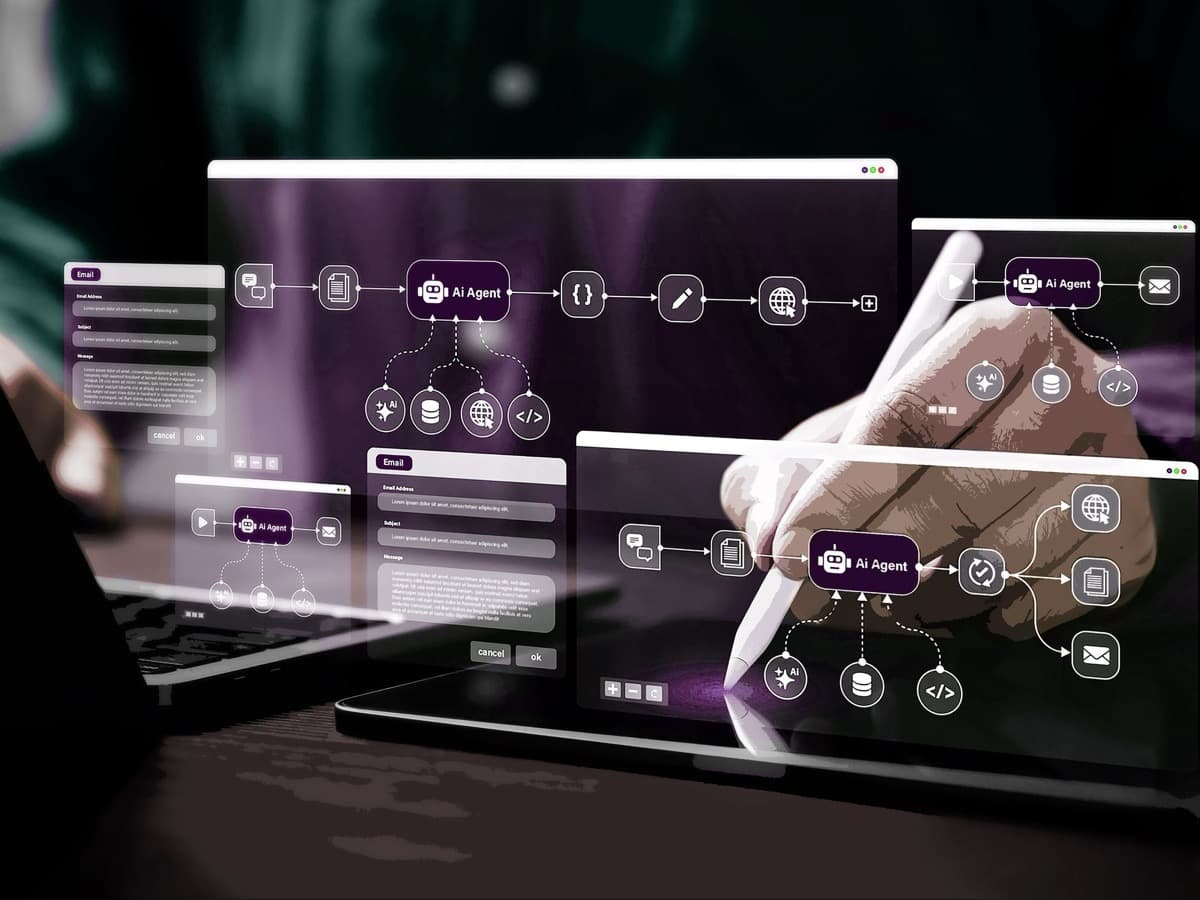
Tell your AI agent what you need. It researches, compares, verifies, and either delivers the answer or executes the action. You never type a query. You never visit a website. You never scroll through results.
This is not science fiction. Amazon is already testing "Buy for Me," where an AI agent navigates third-party websites, adds items to carts, and completes checkout on the user's behalf. PayPal launched an Agent Toolkit. Visa and Mastercard are building payment rails specifically designed for AI shopping agents.
By 2028, Gartner predicts that at least 15% of day-to-day work decisions will be made autonomously by AI agents, up from near zero in 2024. The agentic AI market is projected to grow from $5.1 billion in 2025 to over $47 billion by 2030.

What "Getting Answers" Looks Like in 2028
Here is a concrete picture of how everyday information retrieval will work in two years.
Buying a product: Instead of searching "best running shoes for flat feet," you tell your AI agent "I need new running shoes, same brand preference as last time, under $150, delivered by Friday." The agent checks your purchase history, queries multiple retailers, verifies stock and delivery windows, and either presents a recommendation or completes the purchase with your pre-authorised payment method. 63% of global retailers already agree that companies without AI agents will fall behind within two years.
Researching a topic: Instead of opening twelve browser tabs, you ask your AI assistant to brief you on a subject. It synthesises information from academic papers, news sources, and expert opinions. It cites its sources. It answers follow-up questions in context. The entire session ends without a single click to any website.
Booking travel: Instead of comparing flights on three aggregators and cross-referencing hotel reviews, your agent plans the entire trip autonomously, checking routes, comparing accommodation, applying loyalty points, and presenting a final itinerary for approval.
Finding a local service: Instead of searching "plumber near me" and calling three businesses, your agent contacts local providers, checks availability, compares reviews and pricing, and books the appointment on your calendar.
Why Most SEO Strategies Will Fail in This Future
Traditional SEO was built for Phase 1 — a world where humans scanned search results and clicked links. That model is not dead yet, but it is shrinking. The problem is that most businesses have not even adapted to Phase 2, let alone prepared for Phase 3.
Here is why standard SEO playbooks break down:
Keywords become irrelevant. When an AI agent is acting autonomously, there is no keyword query. The agent decides what information it needs and where to find it. If your visibility strategy depends on ranking for specific keywords, you are optimising for a behaviour that is disappearing.
Backlinks lose leverage. AI systems do not evaluate authority the way Google's PageRank does. They look for trust signals — consistent brand mentions across the web, expert credentials, reviews, and citations from authoritative sources. A hundred backlinks from guest posts will not help if no AI platform considers you a credible source.
Content volume becomes a liability. In Phase 3, AI agents do not reward more content. They reward better content. Thin pages dilute your entity signal. AI systems build knowledge graphs and entity models from your content — contradictory or low-quality pages actively hurt your chances of being cited.
What Businesses Need to Do Now
The businesses that will be visible in 2028 are the ones building the right foundation today. AI systems develop trust over time, creating compounding advantages. Early movers gain disproportionate benefits because starting later means catching up against entrenched competitors.
Build Entity Authority, Not Page Authority
AI search systems think in entities, not URLs. Every piece of content should reinforce who you are, what you do, and why you are credible. Structured data is not optional — it is how you tell AI systems what your business entity represents.
Make Your Content Citable
AI platforms cite sources that provide clear, verifiable, specific information. Generic advice gets synthesised away. Original data, specific numbers, proprietary research, and expert perspectives are what earn citations. This is the foundation of answer engine optimisation.
Diversify Beyond Google
If 50% of search traffic moves to AI platforms by 2028, a Google-only SEO strategy captures a shrinking share of a shrinking channel. You need visibility across ChatGPT, Perplexity, Claude, Gemini, and the AI agents built on top of them. Each platform has different citation patterns and trust signals.
Prepare for Agentic Discovery
When AI agents start autonomously discovering businesses on behalf of users, they will look for structured information, clear service descriptions, programmatic availability (APIs, booking systems, inventory feeds), and verified reviews. The businesses that are machine-readable and agent-friendly will be the ones agents recommend.
Measure What Matters
Traditional SEO metrics — keyword rankings, organic sessions, bounce rate — will not capture your AI visibility. You need to measure whether AI platforms mention your brand, how often you are cited in AI-generated answers, and whether AI agents can find and use your information. These are the leading indicators of future traffic, not lagging ones.
The Window Is Closing
The shift from Phase 1 to Phase 3 will not wait for businesses to catch up. One modelling estimate projects that ChatGPT's traffic will surpass Google's by around October 2030. By 2028, the businesses that built AI trust signals, structured their data for machine consumption, and earned citations across AI platforms will own the visibility that matters.
The businesses that waited will be invisible to the systems that answer questions — and by then, those systems will be the only ones people use.
The best time to start building AI visibility was a year ago. The second best time is today. Find out where you stand.