The scramble for AI search visibility is real. ChatGPT, Perplexity, and Gemini are now influencing purchase decisions for millions of buyers every day, and brands are rightfully paying attention. The problem isn't the urgency — it's the approach. Most of the tactics being deployed to win AI visibility are borrowed from a playbook that simply doesn't apply to how AI engines work.
Here are the five mistakes that consistently keep brands out of AI search results, regardless of how much effort they put in.
Key Takeaways
- Traditional SEO tactics (backlinks, keyword density, click-through rate) do not translate directly to AI search visibility — AI engines weigh entity clarity, factual density, and citation authority instead.
- AI agents extract specific, verifiable claims from content; vague marketing copy is uncitable and gets skipped entirely.
- Structured data (JSON-LD schema) provides AI engines with a machine-readable identity for your brand — without it, your business is effectively anonymous.
- Optimising only your homepage is insufficient; AI engines evaluate your full content footprint across blog posts, service pages, and FAQs.
- Measuring AI mentions without diagnosing root causes (missing entity signals, uncitable content, absent structured data) produces no actionable improvement path.
Applying the Traditional SEO Playbook to AI Search
The instinct is understandable: SEO worked for Google, so it should work for AI engines too. In practice, the two channels operate on fundamentally different principles.
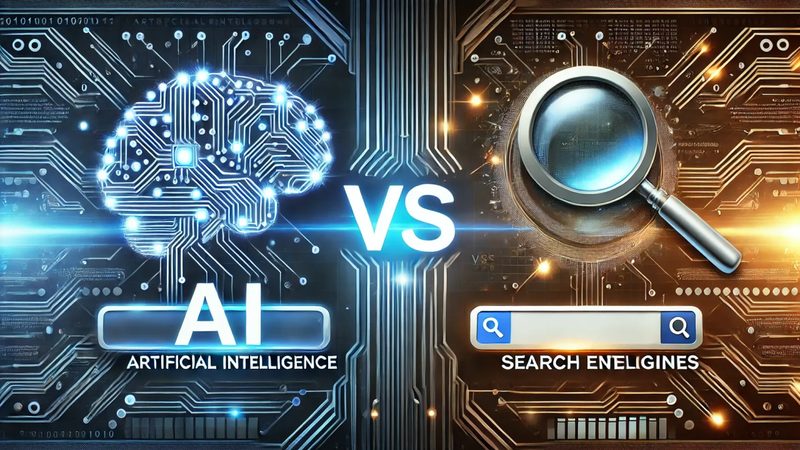
Traditional search ranks pages based on signals like backlink authority, keyword density, and click-through rate. AI search works differently — instead of ranking a list of URLs, AI engines synthesize answers from content they've already indexed, weighted by entity clarity, factual density, and citation authority. A page with a thousand backlinks but no structured data, no clear entity signals, and no specific factual claims may rank well on Google and be completely invisible to Perplexity.
Gartner projects that AI-powered search engines will handle 25% of traditional search volume by 2026. The brands optimising now — before the channel matures — will hold the positions that are hardest to displace.
Publishing Content That AI Can't Cite
AI agents don't read your content the way humans do. They extract specific, verifiable claims and surface them in response to user queries. The problem is that most marketing copy is written to persuade, not to inform — and AI systems cannot cite persuasion.
"We're the leading provider of digital marketing services" is uncitable. "We run 24 checks across structured data, content clarity, and technical signals to measure AI readiness" is citable. The difference is specificity: numbers, definitions, named entities, and verifiable facts.
The AI citation playbook comes down to a single principle: write every sentence as if an AI agent might quote it in isolation. If the sentence only makes sense in context, it won't be extracted. If it's vague, it won't be cited. Factual density — the number of verifiable claims per paragraph — is one of the strongest signals that determines whether your content gets surfaced in AI responses.
Ignoring Structured Data and Entity Signals
Structured data is the technical layer that tells AI engines what your business is — not just what your pages say. A JSON-LD Organization schema with your business name, location, industry category, founding date, and contact information gives AI systems a machine-readable identity for your brand. Without it, you're an anonymous page, not a known entity.
Google's structured data documentation covers over 30 schema types relevant to business websites — from LocalBusiness to FAQPage to Product. Brands chasing AI visibility often skip structured data entirely, focusing instead on content volume. But for AI engines that rely on entity graphs to classify businesses, this is foundational. A page with no schema markup is harder for AI systems to classify and, as a result, less likely to appear in synthesized answers.
You can check exactly which structured data elements are missing from your site — and how they're affecting your AI visibility score — with a free AI readiness scan.
Optimising One Page Instead of the Full Content Footprint
Homepages get all the attention. Brands update their homepage copy, add a few schema tags, and wait for the AI citations to arrive. They don't come.
AI engines discover and index through the full content footprint of a site — blog posts, about pages, service pages, FAQ sections, and product descriptions. Each page is an opportunity to answer a specific question that a user might ask an AI agent. A single optimised homepage surrounded by thin, unstructured content doesn't signal enough authority to displace established competitors with dozens of well-structured pages covering the same topic space.
The most effective AI visibility strategies treat the whole site as the unit of optimisation. Content optimization for AI search works page-by-page: identify the questions your target audience asks AI agents, map those to specific pages, and structure each page to answer those questions in a citable, extractable format.
Measuring Mentions Without Diagnosing Root Causes
Some brands are testing their AI visibility — manually asking ChatGPT or Perplexity whether they get mentioned, checking if their brand name surfaces in responses. That's a start, but measuring is not the same as optimising.
What most manual measurement misses is the causal layer: why is the brand appearing or not appearing? Is it a missing entity signal? Uncitable content? No structured data? A competitor with a stronger factual footprint on the same topic? Without diagnosing the root cause, there's nothing actionable to change.
The goal of AI visibility measurement is a diagnostic picture, not a vanity metric. Tracking citation rates across multiple AI platforms — ChatGPT, Perplexity, Gemini, Claude, Google AI Overview, Grok, DeepSeek, Microsoft Copilot, and Meta AI — gives you a baseline. Combining that with a structured technical audit gives you a roadmap. SwingIntel's AI Readiness Audit runs citation tests across all nine major AI platforms and maps the results against 24 technical and content checks, so you know exactly what's limiting your visibility and what to fix first.
The brands winning in AI search right now are not the ones checking their mentions most often. They're the ones who fixed the underlying signals that determine whether AI engines can classify, trust, and cite them in the first place. The tactical gap between brands applying an old playbook and those who understand the new one is still wide — which means the opportunity to get ahead is real, but it won't stay open indefinitely.
Frequently Asked Questions
Why do high Google rankings not guarantee AI visibility?
Google ranks pages based on backlinks, keyword relevance, and click-through rates. AI search engines synthesize answers from content weighted by entity clarity, factual density, and structured data. A page can rank first on Google and still be invisible to ChatGPT or Perplexity if it lacks machine-readable identity signals and specific, quotable claims.
What is the single fastest fix for AI visibility?
Implementing JSON-LD structured data on your homepage and key landing pages is the highest-impact first step. Organization, LocalBusiness, and Product schemas give AI engines the machine-readable identity they need to classify and recommend your business.
How do I know if my content is citable by AI engines?
Test each key sentence in isolation: if an AI agent quoted it out of context, would it convey a specific, verifiable fact? Statements with numbers, named entities, and concrete claims are citable. Vague marketing phrases like "industry-leading solutions" are not.
Start with a free AI readiness scan to see where your site stands across the signals that matter to AI engines. For a complete diagnostic, SwingIntel's AI Readiness Audit maps citation test results against 24 technical and content checks.